Rodrigo Duterte and the Long Arm of International Justice
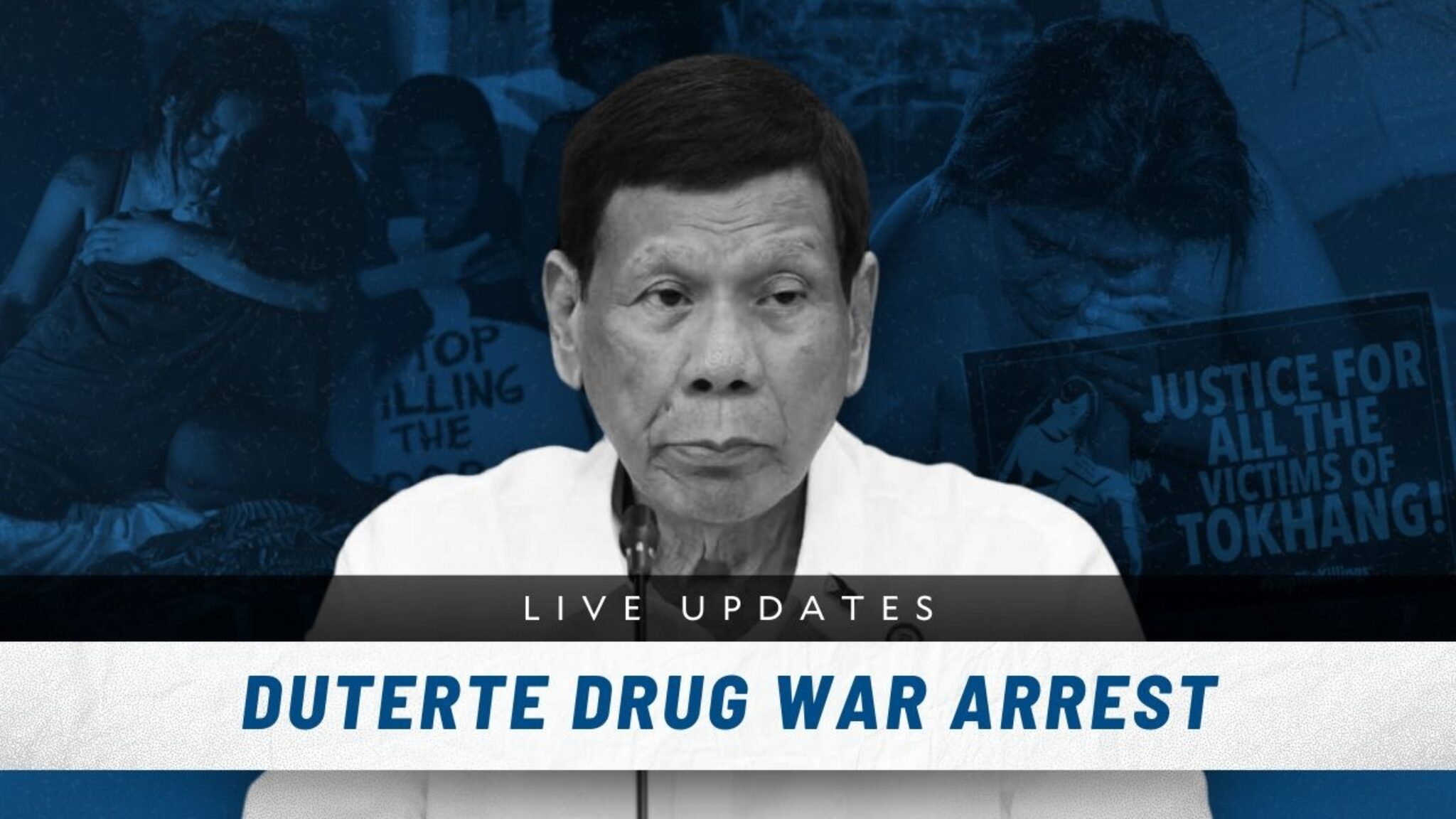
Photo courtesy of Philippine Daily Inquirer
For years, Rodrigo Duterte ruled with iron-fisted impunity. Today, he finds himself on the other side of the law. His arrest by Interpol in Manila is more than just a legal proceeding—it is a historic reckoning for a leader who once declared himself untouchable. His administration’s infamous war on drugs—a policy that led to thousands of extrajudicial killings—has long been scrutinized by human rights organizations and international bodies. With this arrest, the world is reminded that power does not grant immunity and that accountability for crimes against humanity remains a cornerstone of international law.
Duterte’s war on drugs falls squarely within the framework of crimes against humanity under Article 7(2)(a) of the Rome Statute. This provision defines crimes against humanity as "a course of conduct involving the multiple commission of acts... against any civilian population... in furtherance of a state policy." Duterte’s war on drugs was not just a law enforcement campaign—it was a state-sanctioned policy that systematically targeted civilians, with directives that resulted in widespread killings, enforced disappearances, and violations of fundamental human rights.
Despite the Philippines' withdrawal from the ICC in 2019, the Court retains jurisdiction over crimes committed while the country was still a member (from 2002 to 2019). This is explicitly stated in Article 127(2) of the Rome Statute, which ensures that obligations incurred while a state was a party to the treaty remain binding. Duterte’s administration’s most egregious acts occurred within this period, making them subject to ICC scrutiny.
Moreover, the principle of complementarity, enshrined in Article 17 of the Rome Statute, dictates that the ICC can only intervene when national jurisdictions are unwilling or unable to prosecute crimes effectively. In Duterte’s case, this condition is undeniably met. The Philippine government has not only failed to hold him accountable but has actively shielded him from prosecution. The domestic legal system’s inaction has activated the ICC’s mandate to step in and ensure that justice is served.
For thousands of families who lost loved ones in Duterte’s bloody war on drugs, this arrest is not just about legal principles—it is about long-awaited justice. The cries of grieving mothers, the missing faces of the disappeared, and the stories of innocent people executed without trial are finally being heard on the global stage. Duterte once boasted that he would happily kill millions in the name of his war on drugs. Today, the world responds: No leader, no matter how powerful, is above the law.
Duterte’s arrest sends shockwaves across the global political landscape. It serves as a warning to authoritarian leaders and heads of state who believe they can act with impunity. The case reinforces the precedent set by previous ICC indictments, such as those against Sudan’s Omar al-Bashir and Libya’s Muammar Gaddafi, demonstrating that even sitting or former heads of state can be held accountable for crimes committed during peacetime.
This arrest also tests the resolve of the Philippines' current administration under President Ferdinand Marcos Jr. While Marcos Jr. has distanced himself from Duterte's more controversial policies, his government will now face immense pressure from both domestic and international actors. Will the Philippines comply with ICC procedures, or will it attempt to defy international law and shield Duterte? The answer will shape the country’s standing in the global community.
Furthermore, Duterte’s arrest strengthens the international community’s commitment to upholding human rights. It sends a powerful message to victims and survivors of state-sanctioned violence worldwide: justice may be delayed, but it is not denied. It also reaffirms that the ICC remains a relevant and necessary institution, despite criticism from some quarters that it disproportionately targets leaders from the Global South.
Duterte’s case is more than just a legal proceeding—it is a moment of reckoning for the Philippines. It challenges the culture of impunity that has plagued the country for decades, from the Marcos dictatorship to Duterte’s brutal drug war. If this case proceeds successfully, it could mark a shift toward real accountability in Philippine politics.
On a broader scale, Duterte’s arrest highlights the evolving nature of international law enforcement. The increasing cooperation between nations and institutions like Interpol and the ICC suggests that global governance is moving toward greater accountability, even for the most powerful figures.
This moment is a crossroads—not just for the Philippines, but for the world. Will justice prevail, or will impunity reign? The arrest of Duterte is proof that no leader, no matter how powerful, is beyond accountability. But justice is not automatic; it requires persistence, vigilance, and the courage of those who refuse to be silenced. The world is watching. The question now is: What comes next?
Read more:
New York Times Article: Rodrigo Duterte, Philippine Ex-President, Is Arrested on I.C.C. Warrant
Follow-up thoughts on the matter:
Debunking the Myths: Why Duterte’s Arrest Is Legal, Legitimate, and Necessary
Breaking the Cycle of Impunity: The Philippines’ Struggle for Accountability


Comments
Post a Comment